 Free Games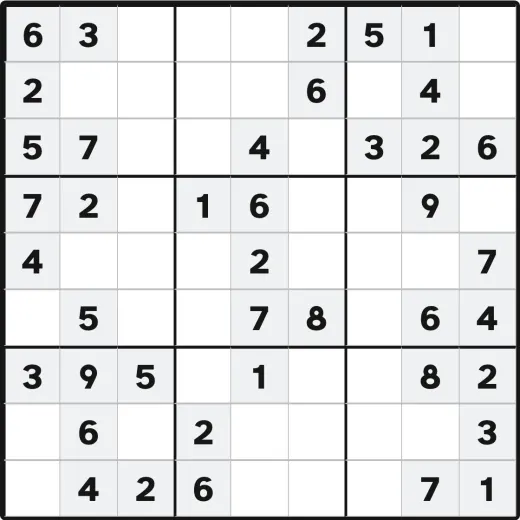
The two kinds of puzzle on this page
Most of what is here is deduction. In Sudoku, Daily Sudoku, Cat Sudoku, Daily Cat Sudoku and Nonogram, every square has one answer that the clues already contain, and it can be reached by reasoning alone. Nothing changes on the board while you think about it. Minesweeper works the same way for most of a game, with the honest exception of the occasional square where two possibilities remain and you simply have to pick one.
2048 and Block Puzzle are a different exercise. There is no single correct move, only better and worse ways to use the space you have left, and both of them can reach an end: 2048 stops when no tile can move, and Block Puzzle tells you plainly when none of your three pieces will fit, then offers an undo or a fresh grid. Nothing counts down toward that point in either game. The pressure, such as it is, comes from the board filling up rather than from a clock.
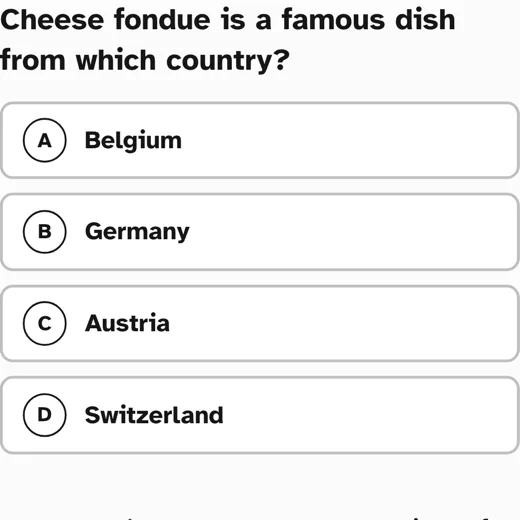
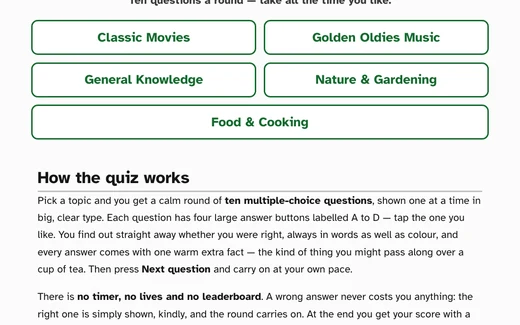
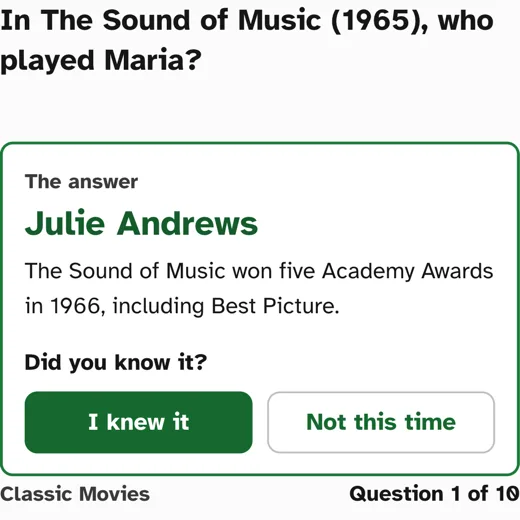
Trivia Quiz sits outside both. It asks you to remember something rather than work it out, ten questions to a round and four large answers to each, and a wrong answer simply shows you the right one along with a fact worth knowing. There are no lives and no leaderboard.
How to open a board you have never played before
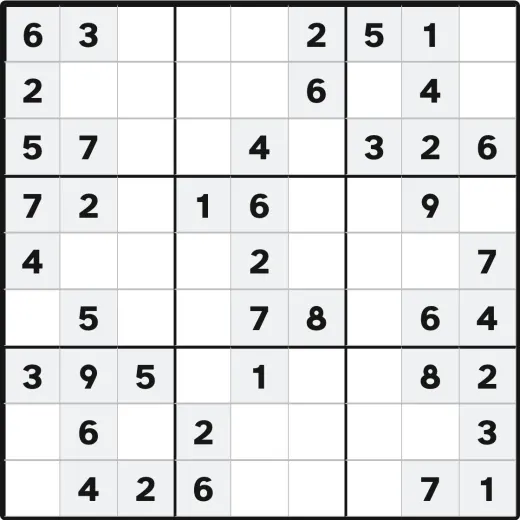
In Sudoku, resist scanning the whole grid. Find the row, column or three by three box that already holds the most numbers: when six of its nine squares are filled, the remaining three are usually forced, and each one you write in makes its neighbours easier. The Hint button reasons the same way and names the square it chose and why, so pressing it early is a way of learning the method rather than dodging it. Check my puzzle marks any numbers that clash with each other and tells you how many squares are still empty.
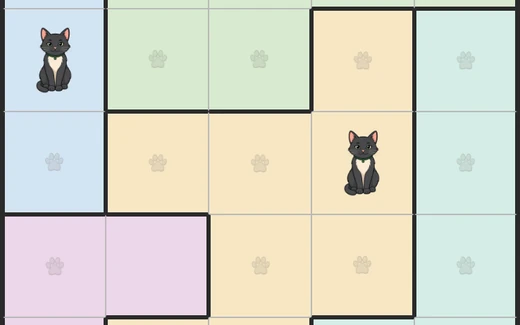
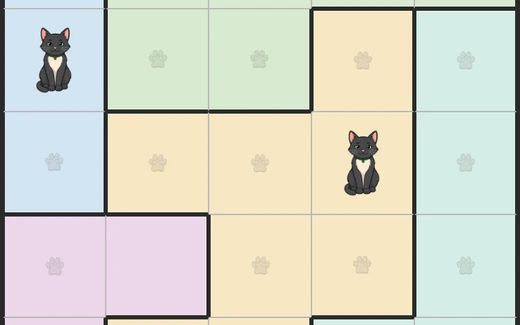
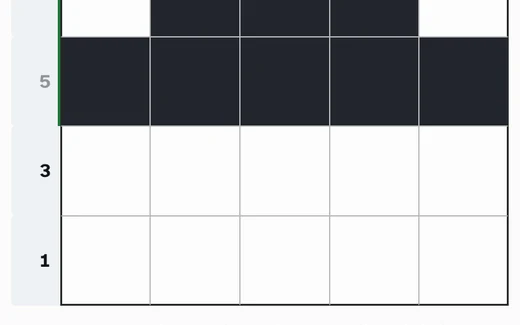
In Cat Sudoku, begin with the smallest coloured region, because a colour covering only two or three squares runs out of room first. Placing a cat also rules out all eight squares around it, so a single correct placement clears a surprising amount of board. In Nonogram, start with the largest clue number in any row or column: on a five by five grid a clue of four can only sit two ways, and the squares those two positions share are certainly filled. Tapping a square once fills it, twice leaves an X meaning nothing here, and a third time clears it, and it is the X marks that make the rest of the grid solvable.
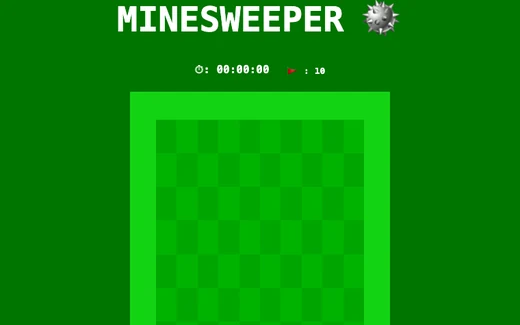
In Minesweeper, look for a 1 that touches exactly one covered square. That square is a mine, and flagging it usually opens up the numbers around it. Be aware that the mines are laid before your first tap rather than after it, so an unlucky opening move is possible; starting a fresh board costs nothing and is not a defeat. This one was not built here, so there is no Hint button to fall back on.
Grid size, difficulty, and the version on paper
Grid size is an underrated lever. Nonogram offers five by five, eight by eight and ten by ten, and the small grid uses exactly the same logic with much larger squares; Cat Sudoku does the same at five, six and seven squares across. Sudoku's Easy setting keeps the full board but leaves around forty of the eighty-one squares already filled in, against about twenty-eight on Hard, so there is far less empty white to track your eye across. Minesweeper carries its own Easy, Medium and Hard settings.
Sudoku, Daily Sudoku, Cat Sudoku, Daily Cat Sudoku and Nonogram each have a Print this puzzle button. It prints the puzzle in large format, and it prints the clues only, not the squares you have already filled in. That is the version to take to a good lamp, or to a chair well away from any screen.
Tapping, swiping, and the two games that ask more
Nothing in the puzzles built for this site is dragged. In Sudoku you tap a square and then tap a number; in Block Puzzle you tap one of your three pieces and then tap where it should go; in Cat Sudoku and Nonogram you tap the square itself, and tapping again cycles it through a mark and back to empty. A missed tap costs nothing. Sudoku, Daily Sudoku and Block Puzzle have an Undo that never runs out, and Cat Sudoku, Daily Cat Sudoku and Nonogram have a Clear board button that hands you back the same puzzle from the start. Sudoku and Block Puzzle can also be played entirely from the keyboard, which some people find steadier than any tap.
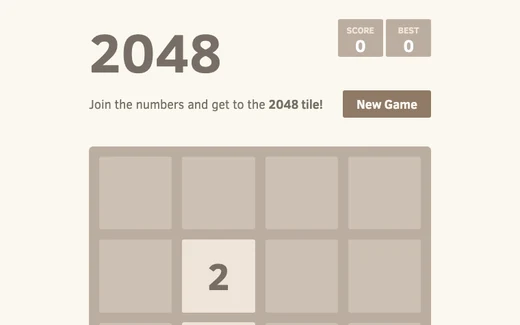
2048 is the exception. It is played with the arrow keys on a computer or a swipe on a touchscreen, and there is no way to tap a tile into position. If swiping accurately is awkward, the arrow keys are much steadier, and the game plays exactly the same either way. It was not built here, and it has no undo.
Minesweeper asks the most. Flagging a suspected mine is a right-click, so it is easiest with a mouse, and a mis-tap on a covered square can end the round outright, because this one was not built here either and it has no undo. Minesweeper counts the time you have taken; nothing happens when it passes any particular number, and you are free to ignore it entirely.